
The Nigerian oil war crisis is reshaping the naira outlook. Brent crude crossed $119 per barrel in the first week of the Gulf War. Nigeria’s pump prices rose 14%. The contradiction between those two facts tells you everything about the naira’s vulnerability right now.
The conventional read on oil-producing African nations and a Middle East war is straightforward: higher oil prices mean higher revenue. For some, it is. For Nigeria, however, the reading is more complicated.
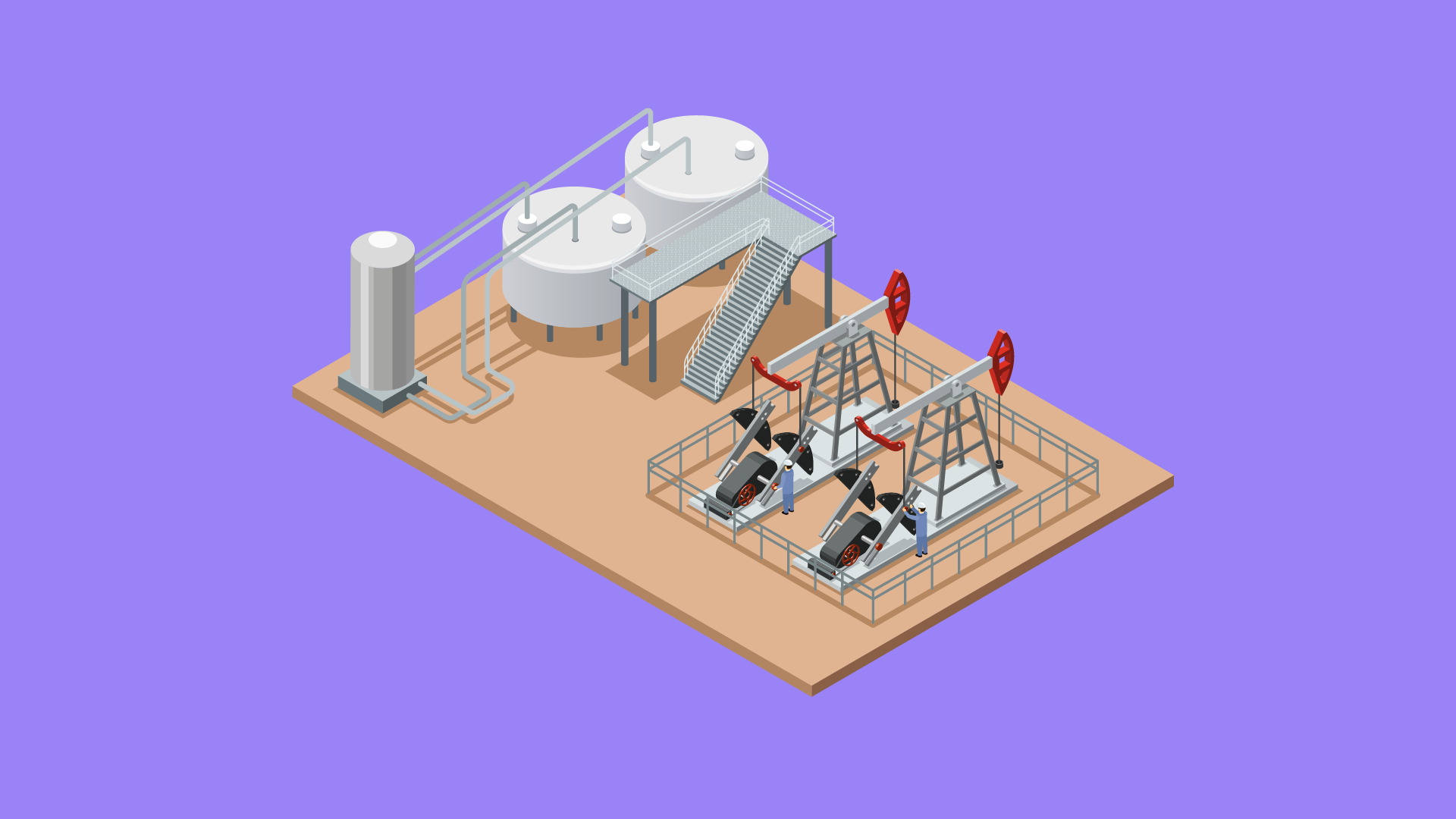
Nigeria is Africa’s largest oil producer. However, it is also a net importer of refined petroleum. It locked in export contracts at lower prices before the war began. As a result, fuel prices at the pump rose 14% in the first week of the conflict. This was not because of a windfall. Instead, it was driven by the same global energy shock hitting every import-dependent economy.
For businesses managing naira payments, collections, and cross-border flows in 2026, this is not background noise. In fact, it is the operating environment.
Nigeria’s Oil Refining Gap and the Naira Under War Pressure
Nigeria’s refining capacity problem predates this war by decades. Despite producing crude oil, the country has historically been unable to refine enough at home. Consequently, it remained dependent on imported refined petroleum products.
The Dangote Refinery, Africa’s largest, came online in stages through 2024 and 2025. It has begun to change this picture. However, the transition from import-dependent fuel to self-sufficient refining is not instant. Moreover, the current conflict has exposed how much of that shift remains incomplete. When oil prices surge and the Strait of Hormuz closes, Nigeria still absorbs imported fuel costs. These costs erode whatever benefit higher crude export prices might provide.
Ultimately, Nigeria’s oil story in this war is not about a windfall. It is about a structural vulnerability that higher crude prices do not fix.
The Nigeria Oil War Impact on the Naira
The naira spent most of 2025 on a path of relative stability. This was supported by CBN’s more consistent FX management. In addition, strong growth in IMTO remittance flows played a key role. These flows reached $4.73 billion in 2024, up 43.5% year on year. That base was providing genuine support to Nigeria’s external account.
The Gulf War has introduced three simultaneous pressures on that position:
Safe-haven assets: The US dollar gained roughly 100 basis points in the first 72 hours of the conflict. Investors moved to safe-haven assets, squeezing emerging market currencies globally.
Energy cost inflation: This compounds Nigeria’s import bill.
Remittance stress: The Gulf diaspora remittance channel, a significant source of naira support, is under stress. In particular, hundreds of thousands of Nigerian nationals work across the UAE, Qatar, Saudi Arabia, and Kuwait. These markets are now directly affected by the conflict.
Of course, none of this means the naira collapses. The CBN has tools, and Nigeria entered this period with better reserves than in previous crises. Nevertheless, the FX volatility that businesses had begun to plan around in 2025 has re-entered the picture with force.
What Businesses Need to Think About
For businesses collecting in naira or converting naira to other currencies, three things have changed:
Timing: The corridor between naira and dollar is more volatile than three months ago. Therefore, businesses locking in FX rates for future payments need to account for a wider range of outcomes.
Sourcing costs: Nigerian businesses importing goods from Europe or Asia now pay more on two fronts. First, the goods themselves cost more if they are energy-intensive. Second, shipping costs have increased as vessels reroute around the Cape.
Remittance dependency: For businesses relying on diaspora inflows from the Gulf, the near-term picture is uncertain. Initially, workers often send precautionary savings home. Over time, however, there is a gradual compression as Gulf employment slows.
The businesses best positioned through this period are the ones that can convert, collect, and settle in naira without needing the dollar as an intermediate step for every transaction.
The Infrastructure Question
Nigeria’s payments infrastructure has strengthened meaningfully since the CBN’s FX reforms. For instance, the licensed IMTO channel brought $4.73 billion into Nigeria in 2024 alone. Furthermore, the regulatory environment around payment system providers and BDC operators has matured.
What this period tests is whether businesses have built operations on licensed, compliant infrastructure. Alternatively, some may still route through less formal channels. These channels become more expensive and less reliable when the dollar surges and Gulf corridors face disruption.
Fincra holds IMTO, PSSP, and BDC licences in Nigeria, operating across the full stack of naira collection, payout, and FX conversion. If your business is re-examining how it manages naira flows in the current environment, explore our insights or speak to the Fincra team.